 Reviews


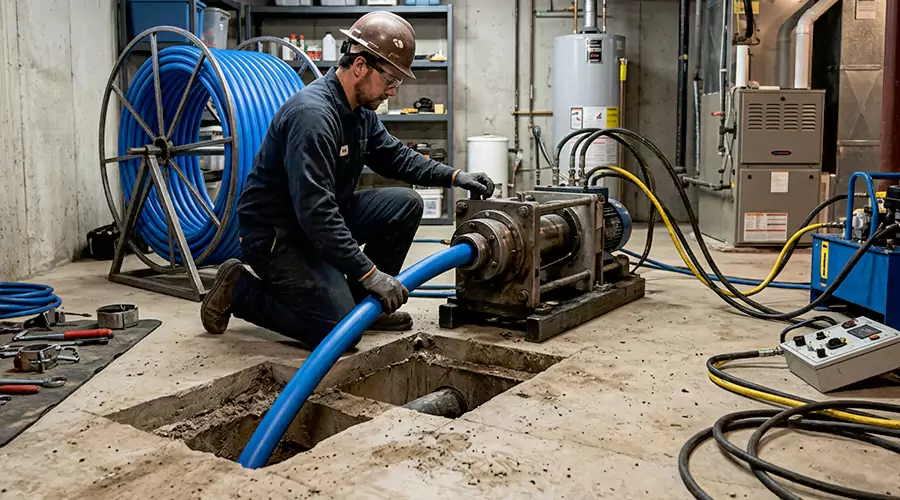
The main disadvantages of trenchless pipe replacement are a higher per-foot price and a hard list of pipes that don't qualify. Lining runs $135 to $150 per linear foot while a fully collapsed pipe can't be fixed trenchlessly at all.
The method deserves its popularity. It also gets oversold by contractors who only offer one technique.
Knowing the limits before the camera inspection keeps you from paying a premium for the wrong fix. Here's every real drawback along with when the method still wins.
How Trenchless Methods Work?
Trenchless sewer repair splits into two methods with different limits. CIPP lining blows a resin-coated sleeve through the old pipe where it hardens into a new interior wall. Pipe bursting pulls a bursting head through the old line that shatters it while dragging fresh pipe into the same path.
Both depend on the old pipe. The lining needs a mostly intact host to cure against. The bursting head needs a continuous route to follow toward the exit pit.
That dependency is the source of nearly every disadvantage below. A pipe too damaged to serve as the mold or the guide sends the project back to shovels.
It Still Requires Digging
No dig sewer line replacement is a marketing phrase rather than a literal promise. Every trenchless job needs access to both ends of the run. Trenchless sewer line replacement typically requires an entry pit and an exit pit even on the cleanest project.
The pits carry real money. Pipe bursting needs two excavations with one at the house and one out at the street. Those excavations typically add about $7,500 to the bursting price. Homes with a usable cleanout at each end dodge some of that cost while homes without any access pay all of it.
Surface features complicate the math further. A pit that lands under a driveway or a mature tree brings back the restoration costs the method was supposed to avoid.
Insider Tip: Ask exactly where both pits will go before signing anything. A quote that never mentions pit locations is hiding the part of the job that tears up your yard.
Pipes That Disqualify Themselves
Four pipe conditions end the trenchless conversation regardless of budget. Each one breaks the method's dependency on the old pipe. A camera inspection reveals all four in one pass.
- Full collapse: A pipe that has lost its round shape or caved in completely can't have anything pulled through it. No dig sewer line repair simply has no path to follow.
- Bad slope: Trenchless drain repair can't fix pitch. Joints shifted far out of alignment can't be corrected trenchlessly because only digging and re-bedding fixes slope issues.
- Bellies: Trenchless drain pipe repair also fails on sags. A belly collects solids and causes recurring backups. Lining seals the cracks but can't correct the grade.
- Crushed sections: Severe root damage that physically buckled the pipe pushes the job to bursting or full excavation.
The guide-path rule covers water lines too. Pipe bursting water line replacement needs the old line continuous enough to steer the new one from pit to pit.
Insider Tip: A contractor who quotes trenchless without showing you camera footage is guessing with your money. The video is the qualification exam.
Diameter Loss and Bend Limits
Lining always costs a little pipe. Trenchless sewer pipe repair by CIPP hardens a new wall inside the old one and the interior diameter shrinks slightly as a result. A healthy 4-inch line barely notices while a marginal line loses capacity it needed.
Geometry adds its own vetoes. Extremely tight bends and odd shapes and big diameter changes all complicate lining. A run with multiple 90-degree turns may only accept sectional liners or none at all.
Upsizing has a ceiling too. Bursting can pull a modestly larger pipe into the old path. Trenchless main water line replacement that needs a major size jump often exceeds what the soil around the line will allow.
The Cost Premium on Short Runs
Trenchless pricing punishes small jobs. The equipment and setup cost the same whether the run is 15 feet or 80. Water line replacement trenchless quotes on short runs can exceed simple excavation by a wide margin.
| Method | 2026 per-foot cost |
|---|---|
| CIPP lining | $135 to $150 |
| Pipe bursting | $150 to $190 |
| Bursting in high-cost metros | $160 to $300 |
| Traditional excavation | $150 to $250 in the same metros |
Context matters when comparing columns. Trenchless sewer pipe replacement often beats traditional on the total invoice because it skips restoration. However a shallow line at 2 to 3 feet deep in an open yard flips the math because the per-foot savings of traditional dig outweigh the trenchless premium.
Insider Tip: Always compare total project quotes rather than per-foot rates. Restoration line items decide which method actually costs less at your address.
Soil and Utility Risks
Bursting moves the ground and the ground has neighbors. The bursting head displaces soil outward as it shatters the old pipe. Pipe bursting sewer line replacement running close to other buried utilities risks shifting or damaging them, making pipe replacement more complex.
Soil type sets the risk level. Loose sandy soils absorb the displacement quietly while dense clays transmit it further. Trenchless water pipe replacement through rocky ground adds another failure mode because boulders can deflect the head off its path.
Utility locates are non-negotiable before any pull. A gas service crossing within a couple of feet of the sewer path deserves hand-dug exposure rather than faith.
Water Line Limitations
Water lines bring their own constraints beyond everything above. Trenchless water line replacement works with smaller diameters and tighter health rules than sewer work. Two limits show up on most quotes.
Materials come first. Potable lines require certified pipe and fittings and not every trenchless crew carries the water-side certifications. Permits come second since trenchless water main replacement usually involves the utility's meter connection and inspection scheduling that adds days.
Depth is the quiet third factor. Water services in cold regions sit below frost lines and deeper pits cost more at both ends of the pull.
When Trenchless Still Wins
Fairness requires the other column. The disadvantages above are real and so are the savings when conditions cooperate. Trenchless approaches often finish 30 to 50% cheaper overall in complex or hardscape-heavy properties once restoration enters the math.
The winning conditions are specific. A structurally sound pipe under a driveway or mature landscaping is the ideal case. The result is a jointless corrosion-resistant pipe installed in a day or two instead of a week. Moderate root intrusion suits CIPP particularly well.
The honest summary fits one sentence. Trenchless is the best tool for damaged-but-intact pipes under expensive surfaces and the wrong tool for collapsed or mis-sloped lines in open ground.
Questions That Protect Your Money
Five questions expose whether trenchless suits your specific pipe. Ask them before any deposit. Reputable contractors provide camera footage with a written report and clear reasons for the recommended method.
- Can I see the full camera inspection video with my own eyes?
- Where exactly will the access pits go and who restores those spots?
- Does my line have any bellies or slope problems the liner can't fix?
- What's your documented experience with this specific trenchless technology?
- What warranty covers the work and is it in writing?
One more habit finishes the vetting. Compare at least two proposals and avoid any high-pressure sales tactics because a one-day-only discount on a five-figure repair is its own warning sign.
Conclusion
Trenchless pipe replacement trades excavation for dependency on the old pipe. Collapsed lines and bad slope and bellies all disqualify it while short shallow runs make it overpriced. A sound pipe under expensive surfaces remains its home turf. This week get a camera inspection before entertaining any method. The footage decides this question better than any sales pitch can.
FAQs
How long does a trenchless liner last?
Most CIPP liners carry 50-year design lives. Installation quality matters more than the resin brand.
Can trenchless methods fix just one bad section?
Yes. Sectional liners patch localized defects at a lower total cost though a higher price per foot.
Will bursting crack my driveway above the line?
Rarely at normal depths. Shallow lines under rigid slabs carry the most displacement risk so raise it during the inspection.
Is trenchless faster than digging?
Usually. A typical 60 to 90-foot run with straightforward access takes 1 to 2 days of crew work.
Does homeowners insurance cover trenchless replacement?
Almost never for wear or roots. Coverage generally requires sudden accidental damage from a covered peril.
What happens if the liner fails during installation?
A botched cure can block the line entirely and force excavation anyway. Contractor experience with the specific system is your best protection.